Founded by Professor Kate Henne, the Justice and Technoscience Lab (JusTech) works to ensure that emerging and disruptive technologies are not only accessible and secure, but also regulated appropriately. Its goal is to promote more equitable social outcomes by advancing knowledge that can be used to mitigate unintended and harmful effects of innovation. It brings together experts from different backgrounds to understand how power asymmetries affect technoscience in practice.
JusTech maintains partnerships across the ANU and with other Australian research organisations and overseas institutions. Lab members have carried out studies across several domains, including development, health promotion, humanitarianism, internet governance, public safety, sport and welfare provision. Their ongoing work spans diverse sites in Australia, the Middle East, North America, the Pacific, South Asia and Southeast Asia.
Current initiatives include:
- Partnerships for the Governance and Regulation of Wellbeing, Technoscience and Health (GRoWTH), which provide critical insights into how technoscience is changing understandings of wellbeing and systems that govern health;
- Responsive AI Regulation (RespAIR), which draws on principles from algorithmic reparation, design justice and harm reduction to support the development of responsive AI regulatory approaches;
- Surveillance and Technologies of Policing (SToP) Projects, which study the effects of augmenting surveillance technologies as tools for policing individuals and groups in different contexts.
Individual projects trace developments in AI governance, aid delivery, algorithmic regulation, biotechnology, climate finance, data economies, digital health and welfare, neuroscience and technology, precision health, regulatory science and urban infrastructure.
JusTech is committed to providing robust student training and professional development. The lab facilitates hands-on workshops, reading groups and outreach activities.
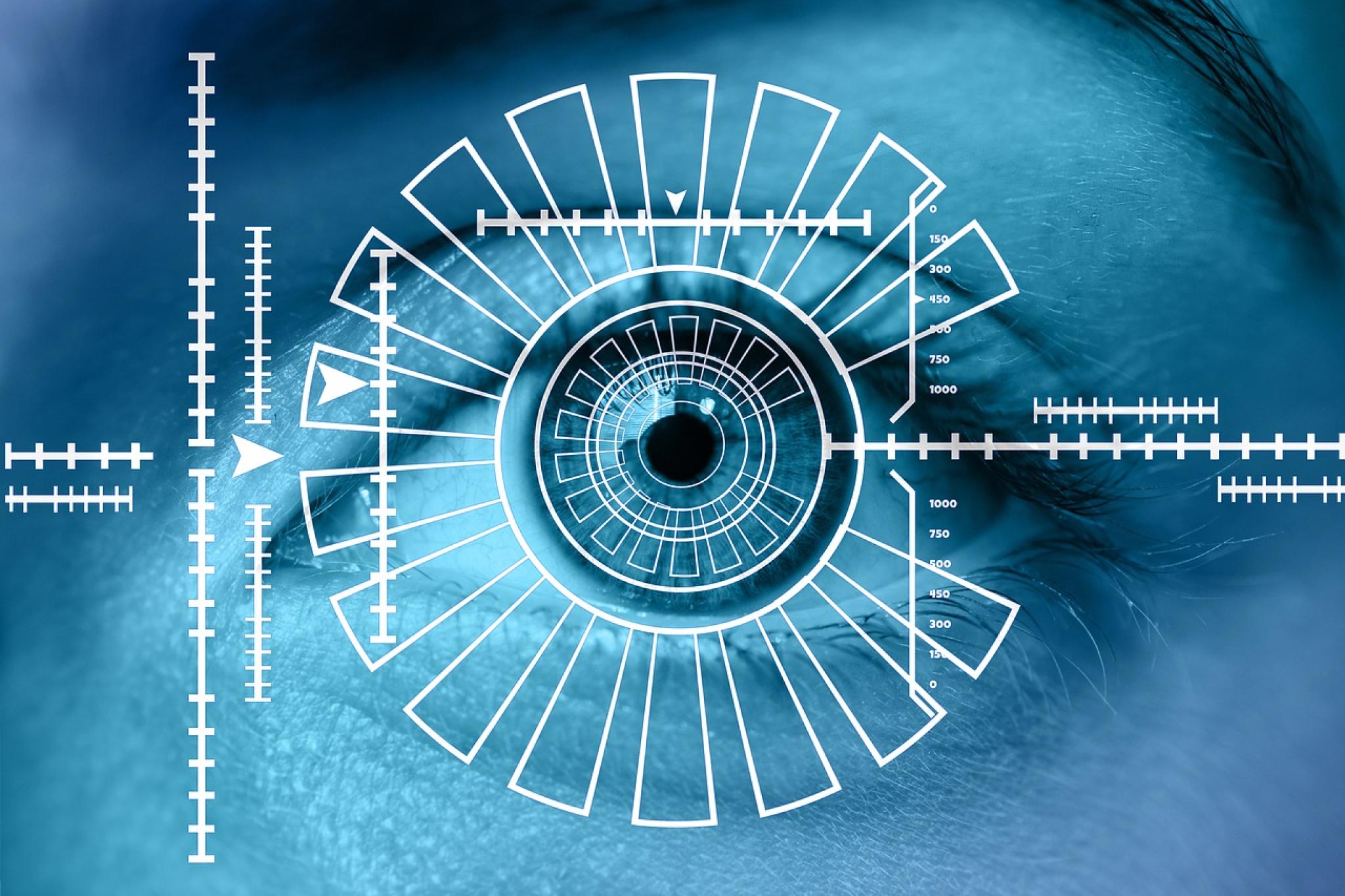
Hero image by Gerd Altmann from Pixabay